ON THE RECORD · THE A GAME PODCAST
Hiring a Sales Team: The Process I Should Have Written First

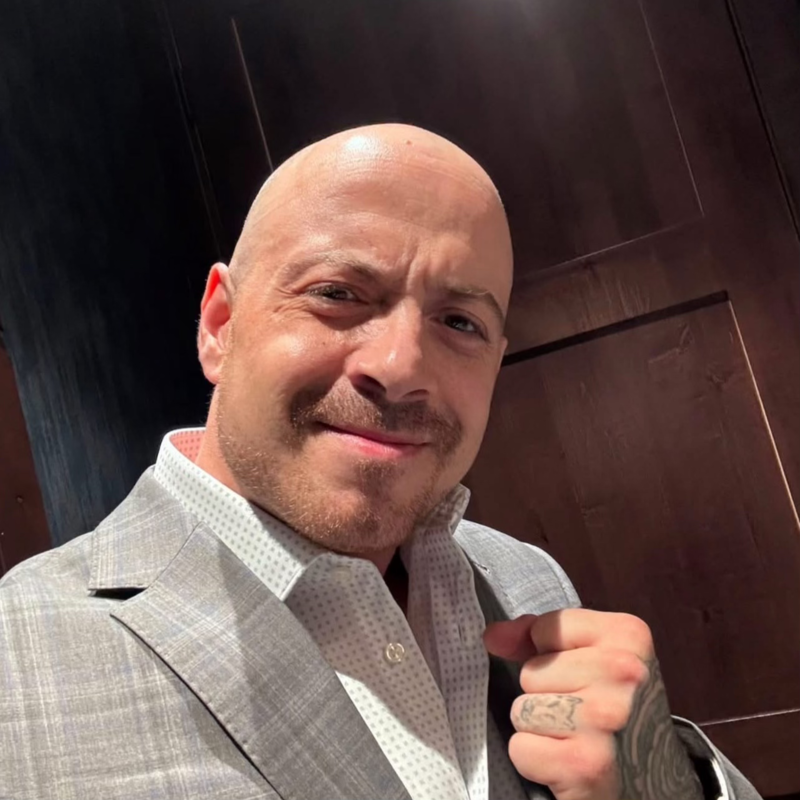
Yes, that name. No, not the Goodfellas guy. I’m the living one.
When Nick Lamagna asked me about hiring on The A Game Podcast in 2021, I told him about a mistake I made in my marketing business: I hired salespeople while the sales process still lived in my head. I knew the qualifying questions, the sequence of a conversation, and the signs that someone was ready to move forward. My new hires didn't have a clear record of that knowledge.
Hiring exposed the gap. I thought I was ready to bring people in, then realized how much explaining and preparation I still needed to do. The lesson came from trying to build a team around work I could do myself but hadn't made clear to somebody else.
My background includes building sales, marketing, and follow-up systems for contractors. That work sits alongside the later acquisition experience I describe in my operating and technology background.
Write down the decisions a salesperson needs to make
“I had everything in my head.”
Billy Batt, 17:12 in The A Game interview
My first recommendation to Nick was to get the process out of the owner's head and into a document or another system the team could use. I mentioned Google Docs because the important step was making the information available. A complicated training platform wouldn't have solved the problem if I still hadn't written down how the work happened.
The material needed to include more than a sales script. I specifically mentioned the sales process, qualifying questions, and how to recognize whether a prospect was ready for a deal. Those are decisions that affect what the salesperson does next. An employee can repeat a sentence without understanding why the business asks that question or what to do with the answer.
Video training was another option I raised. The format could vary, but the person needed to see what I knew. I couldn't expect somebody to reproduce a process that I hadn't explained in a form they could revisit.
That distinction matters when an owner already feels confident selling. Familiarity can hide the work involved. I could move through a conversation using experience and context. A new person needed me to make those steps visible.
Hiring forced me to prepare faster. I wouldn't recommend relying on that pressure as the plan. The practical starting point is to record how the business qualifies a lead, conducts the conversation, and decides what happens next before handing those responsibilities to someone new.
Make training part of the job
Earlier in the interview, I described the training available to new people on the team. They had access to coaches, follow-up training, and product training. I wanted them to understand the service and the process before they got on the phones.
“We invest in our team.”
Billy Batt, 16:11 in The A Game interview
The schedule reflected the team setup at the time. The useful point is the connection between the responsibility and the preparation: if a person needs to explain a product and follow up with prospects, the business needs to teach those tasks.
Product knowledge and follow-up knowledge solve different problems. A salesperson may understand what the company sells but still miss the next action after a call. Someone else may complete the follow-up tasks without understanding the offer well enough to have a useful conversation. I described training in both areas because the role involved both.
Documentation gives the team a reference. Coaching gives people a chance to work through questions and improve how they apply it. In the interview, I treated that support as part of building a sales team, rather than assuming that hiring a motivated person would remove the need to train them.
Look at communication and completed work together
I gave Nick a specific example of a remote salesperson who kept me informed. He sent voice messages about calls, explained what was happening with prospects, and told me when he needed help with a more complicated conversation. He also submitted end-of-day reports.
That communication helped me understand the work without sitting beside him. It showed the context behind the activity: who he had spoken to, what the next conversation involved, and where he wanted my input.
I contrasted that with people who didn't submit reports or complete the follow-up tasks I could see in the system. The distinction wasn't whether somebody sounded busy. I could compare their communication with the work the role required.
I also described letting people go when they weren't doing the basic work. I used the reports and follow-up records to understand whether the expected work was happening.
A remote team needs a way to surface both progress and problems. In my example, the stronger salesperson didn't wait until the end of a difficult deal to ask for help. He brought me into a conversation when he thought the situation needed it.
Prove the role with one person before expanding
Nick asked what I would tell an owner who wanted to scale. My sequence was to get the process down, bring in one person, and make sure that arrangement worked before adding more people.
I described a first salesperson who could eventually help train additional hires. The point was to build some training capacity beyond the owner. Otherwise, each new hire would create another set of explanations and management tasks for the same person who was still doing the selling.
I also made a qualification: a good salesperson might not suit a management position. In that case, the business could need a manager rather than assuming the first successful salesperson should take on that role. Selling and managing involve different responsibilities.
I mentioned bringing on one person and then a small group, and also acknowledged that two people could make sense. The governing issue was the owner's ability to support them. More hires meant more training, management, and follow-through.
I said I had brought on too many people too quickly. That experience is why I put the working process ahead of the headcount. Adding people doesn't make the owner's knowledge transferable by itself.
Give the team a direction it can understand
Alongside the process, I told Nick to explain the business's mission, vision, and goal. I wanted to understand why someone wanted to join and whether they connected with the work beyond the compensation.
A clear direction doesn't replace training or completed tasks. It gives people context for the work they are learning. In my conversation with Nick, those pieces belonged together: a documented system, a reason to join, and a way to prepare someone for the role.
The mistake I made was concrete. I tried to hire around an undocumented process. The correction was equally concrete: write down the decisions, teach the work, make progress visible, and expand once somebody else can perform the role.
These operating questions also matter when considering how agencies actually get sold. The hiring discussion shows how I approached making work understandable beyond the person who started the business.
If you're assessing how a business runs, discuss your business goals with me. Start with the responsibilities that still depend on the owner and the process the next person would need to learn.
Originally published .