ON THE RECORD · THE A GAME PODCAST
Contractor Lead Generation Starts With the Follow-Up

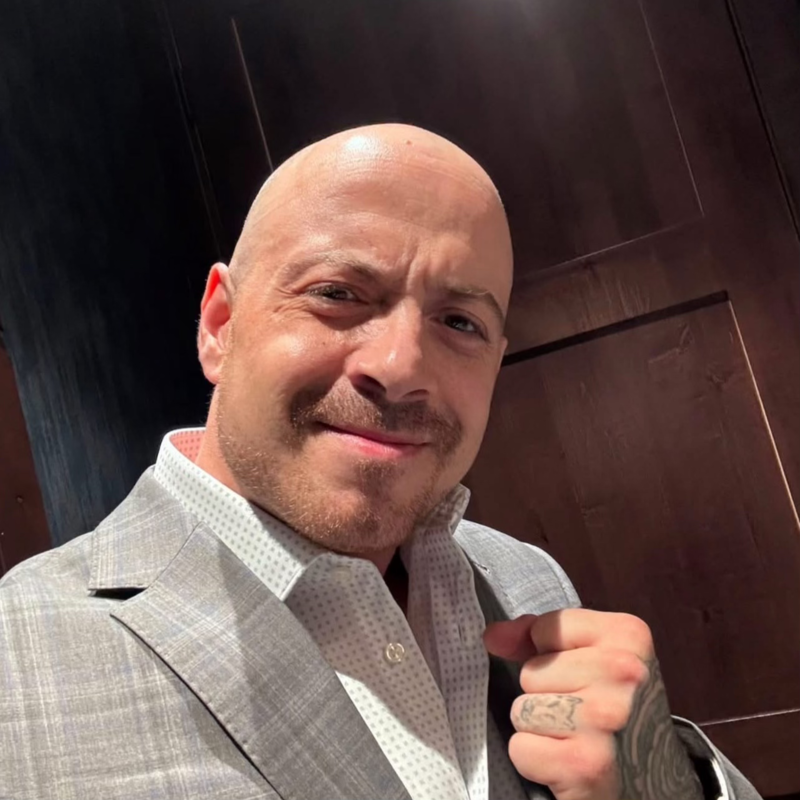
Yes, that name. No, not the Goodfellas guy. I’m the living one.
Nick Lamagna wanted another way to connect with reliable contractors when I joined The A Game Podcast in 2021. Before explaining a marketing system, I asked him to clarify the problem: did the real estate people he knew want referral partnerships, or did they need contractors who could complete work on their properties?
Those needs can overlap, but they lead to different conversations. A contact who can introduce a homeowner isn't automatically the person who can take responsibility for a roof. I wanted to understand the job the relationship needed to do before choosing how to start it.
At the time, my business focused heavily on contractor marketing and sales systems. I described building advertising campaigns, follow-up processes, sales scripts, and automation. The useful lesson from that discussion is the connection between finding a contact, building the relationship, and completing the next action.
Start with the relationship the business needs
Nick initially asked about finding contractors. As the conversation developed, he also pointed out that real estate wholesalers could have an interest in referrals. That gave the discussion two practical paths: finding a reliable service provider and creating a relationship in which people could bring each other opportunities.
I described outreach and advertising that could bring interested contractors into a CRM as potential referral partners. The example began with an invitation to a conversation. It didn't begin with treating every contractor in a list as a qualified partner.
The system could organize the contact, but the relationship still needed development. That was the next step I emphasized:
“building that relationship”
Billy Batt, 09:42 in The A Game interview
The distinction is useful because the same initial response can mean different things. Someone may want contracting work, may know people who need help, or may simply be curious about the offer. The conversation needs to establish which of those applies.
The invitation needed to explain the proposed relationship clearly enough that the right person could decide whether to have a conversation. I was connecting the message to the kind of partnership the business wanted to develop.
Don't confuse a low bid with the right contractor
When Nick brought the discussion back to reliability, I raised a problem I had seen in real estate conversations: people trying to pay the lowest possible amount while expecting a higher level of work.
“you get what you freaking pay for”
Billy Batt, 10:02 in The A Game interview
I used the difference between a handyman fee and a new roof to make the point. A price comparison only helps if the work and expectations match. Finding someone willing to accept a small budget doesn't establish that they can deliver the job the property needs.
Nick connected that to his own experience with construction bids and deals. His contribution concerned the construction side of real estate deals. My contribution concerned how expectations and the quality of the work affect the relationship people are trying to build.
That matters for marketing too. If the offer attracts people under one set of expectations and the business needs something different, the team still has to resolve the mismatch. More contacts won't fix an unclear understanding of the work.
I discuss the broader move from trade work into business in my oilfield-to-business transition. In this conversation, I stayed focused on what the contractor and real estate professional needed from each other.
Build on a completed piece of work
I gave Nick an example of how a relationship could continue after a contractor completed a job. A contractor working in the area might notice another property that could interest the real estate professional. The two could then have another conversation about whether it represented an opportunity.
The reasoning started with a real working relationship. Someone had already completed a job, understood the type of property involved, and had a reason to stay in contact. I was describing how that familiarity could support the next introduction.
I offered this as a possibility for continuing an existing working relationship. The next step involved looking at the property and determining whether it represented an opportunity.
The example shows why I treated lead generation as a process around people and follow-up. The first interaction could make the second one easier to understand. The CRM could help keep track of it, but the useful context came from the work and the conversation.
That relationship theme also appears in my off-market sourcing approach. The contractor example here concerns real estate relationships and shows why a contact's familiarity with the work can matter.
Keep the follow-up connected to the sales team
Later in the discussion, I described what happened inside my marketing business. I had stepped back from setting up some campaigns as the team learned to do more of that work. I still reviewed the setup and checked the automations.
I also described giving outbound tasks to the sales team alongside automated follow-up. Those were two parts of the process. Automation could support the next contact, while people still had responsibilities to carry out.
The owner needed to know whether the system worked as intended. I told Nick that if I put a campaign together carelessly or failed to do my part, I could expect the client to call about the leads or a broken system. I wasn't describing a system that ran well just because it contained automation.
That is the operating detail I want to preserve from the conversation. The campaign, the follow-up configuration, and the team's tasks all required attention. Handing off setup didn't remove the need to check it.
It also connects with the sales-team lesson from the same interview. A person needs to understand the process they're responsible for, rather than simply receive a task without the surrounding context. My operating and technology background includes both the marketing work and the systems that supported it.
Check the handoff before adding more leads
The conversation with Nick moved from a request for contractors into a discussion about relationships, expectations, and follow-through. That progression explains how I thought about contractor lead generation at the time.
First, clarify the purpose of the connection. Then make the invitation understandable, build the relationship, and keep the next action visible. Inside the business, check the campaign and make sure the team knows what it needs to do alongside the automation.
The work I described to Nick joined marketing activity to the people responsible for the next conversation. An owner reviewing that process can start by tracing what actually happens between the first response and the next completed action.
If you're reviewing the systems inside a business you own or want to acquire, discuss your business goals with me. Explain how a new contact reaches the team, who handles it, and where the follow-up stops working.
Originally published .