Managing Partner · Prime Acquisitions Group
I buy, revitalize, and resell businesses.
Eight years welding pipe and running 100-man crews in Northern Canada’s oilfields taught me how things get built. Now my team at Prime Acquisitions Group runs AI-driven M&A across 15+ industries, with 16+ closed deals across a $1M–$48M range.*
Oilfields → M&A. Same trade: find what’s undervalued, rebuild it right, hand it over stronger.
Yes, that name. No, not the Goodfellas guy. I’m the living one.
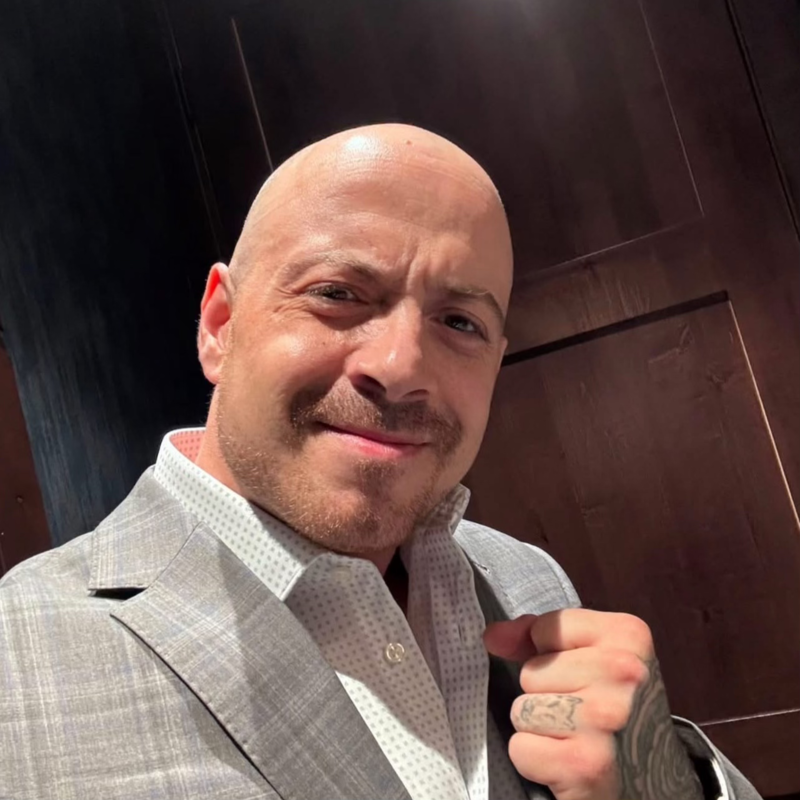
On the public tape
HVAC, machining, MSP, SBA — not only agencies.
Agency acquisition is one story on the tape, not the whole book. The firm has published walkthroughs of an $8.4M HVAC roll-up, a $12M precision-machining deal taken past the SBA ceiling, and a $3.1M-revenue MSP under LOI. Agencies are in the mix. They are not the only vertical.
My Story
From pipelines to deal pipelines.
For eight years I was a pipefitter and welder in Northern Canada’s oilfields, running crews of 100 to 150 men building gas plants and pipelines. It was a volatile business, feast or famine. You were either eating well or you weren’t eating at all.
In 2015 the oilfield crashed, with my daughter on the way. I had to find a more stable way to control my income. So I started reading: The 10X Rule first, then into Grant Cardone’s world, then paying for coaches and teaching myself lead generation, marketing, branding, and web development. I built an agency serving the contractors and real-estate pros I’d worked alongside.
Flipping businesses was the natural next step: buy the asset, rebuild the operations, sell the upside. I wrote Unlimited Sellers Guide, co-created the Buying Beast sourcing method with Andrew Baldwin out of Alberta, and co-founded Prime Acquisitions Group, an AI-and-technology-first M&A team.
I don’t do it alone. My partners bring operating depth. Hung Nguyen has operated 50+ companies and scales businesses from six figures to multiple eight figures, and Anthony brings the insurance and risk side, out of AIG, Munich Re, and PE-backed finance leadership. Through Xcept AI, where I’m co-owner, we build the AI systems that power our deal flow.
The Origin
Eight years in the oilfield.
Then the pivot.
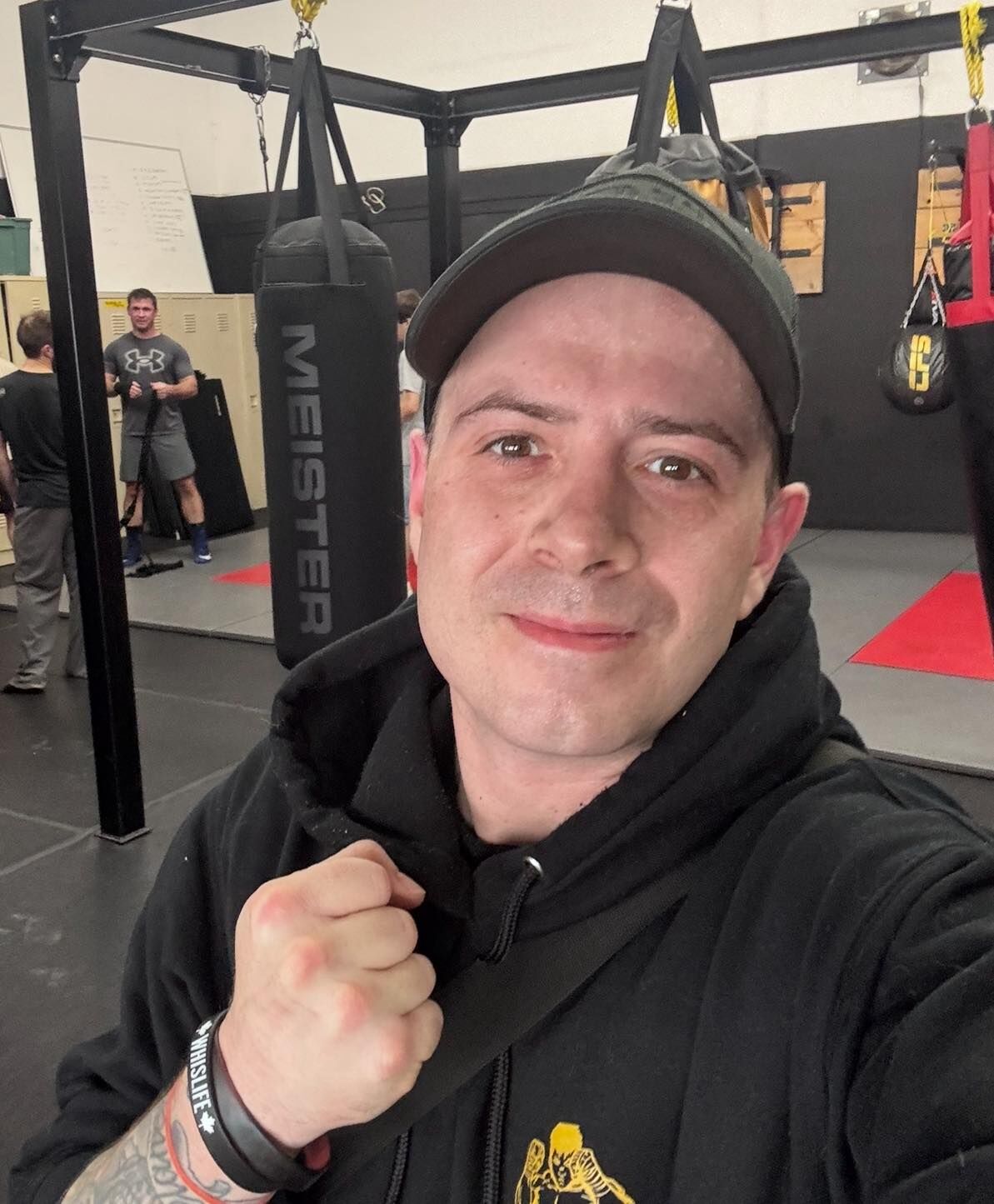
“Nothing changes, your challenges just change. You’ll still have hard times while you’re doing good… That’s why it’s called being an entrepreneur. You just know how to roll with the punches.”
— Billy Batt, on the I AM CEO Podcast (ep. IAM1103)What I Do
Buy it. Rebuild it. Take it back to market.
HVAC, MSPs, machine shops, agencies, SaaS and e-commerce. Fifteen-plus industries, one playbook, three moves.
Acquire
AI-driven sourcing surfaces businesses before they hit the open market. Then we structure to close. SBA preapprovals, seller financing, earn-outs, PE syndicates. Whatever gets the deal done right.
Revitalize
Buying is the start, not the win. We rebuild operations and install AI systems, built through Xcept AI, where I’m co-owner, so a tired asset goes back to market as a growth story.
Exit
Eleven documented transactions, from a $275K productivity app to a $24M enterprise AI SaaS, including an aesthetics practice closed in four weeks. The exit is engineered from day one.
Typical brokers handle 2 to 6 deals annually — our team moves that volume every single month.
— Prime Acquisitions Group (self-reported, primeacquisitionsgroup.com)
The Deal Tape
11 transactions as published on Prime Acquisitions Group’s public transaction history, self-reported, June 2026. Hover to pause.
Featured
The origin story, on the record.
— Billy Batt, interviewed by Gresham Harkless Jr. on the I AM CEO Podcast Listen to the full episode“I worked in the oilfield for eight years, running crews of a hundred, hundred and fifty guys — building gas plants, pipelines… I had a daughter on the way around 2015, and the oilfield crashed. I had to figure out a new way of being more stable and controlling my income.”
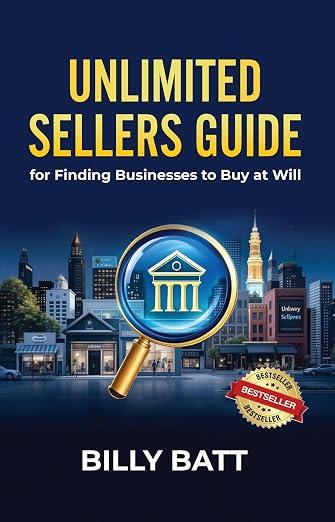
The book behind the deal flow.
Unlimited Sellers Guide distills how Billy finds businesses to buy at will, the sourcing framework behind the deal tape, published on Amazon Kindle.
Read it on AmazonOn the Record
Proof that survives checking.
No borrowed praise and no invented quotes, ever. Everything below is real, sourced, and labeled: third-party where it exists, self-reported where the firm’s own site is the source.
On the record since 2021.
Host Gresham Harkless Jr. put Billy’s origin on tape for the I AM CEO Podcast, eight years welding Northern Canada pipe, the 2015 crash with a daughter on the way, and the rebuild into M&A. Episode IAM1103, told in Billy’s own voice, on somebody else’s platform.
The method, in print.
Unlimited Sellers Guide: For Finding Businesses to Buy at Will. Billy’s sourcing playbook, published on Amazon Kindle under his own name. The framework the deal flow runs on, written down where anyone can check it.
$275K → $24M, with structures.
Eleven transactions documented on the firm’s public tape. SBA preapprovals, seller financing, a three-year earn-out, a PE syndicate, inside a stated record of 16+ closed deals across a $1M–$48M range.
A method with a name on it.
Buying Beast, the branded deal-sourcing system Billy co-created with Andrew Baldwin, launched out of Alberta in 2023. Built to find businesses to buy at will, before they ever reach a marketplace, the system the book documents.
The house rule: if it can’t be checked, it doesn’t go on this page. Named seller testimonials join this section only after the people behind them sign off, real names, real closed deals, nothing borrowed.
As Seen On
Verified placements only, this list grows the honest way.
Ventures & Roles
Press and podcast appearances are added here only after they’re live and verifiable, no borrowed logos.
Connect
Got a business to sell?
Let’s talk.
Or one you want to buy. Either way, the fastest path to me is LinkedIn or Instagram. DMs are open.